
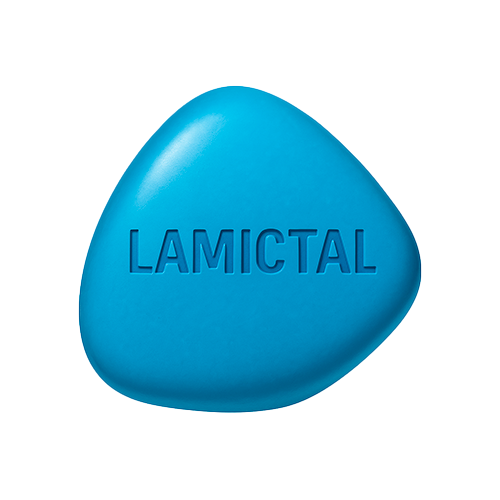

- Lamictal Product Description
- Missed Dose
- More Information
- Storage
- Lamictal Safety Information
- Warnings
- Disclaimer
- Lamictal Side Effects
- Where to buy Lamictal (lamotrigine) online and in local pharmacies
- Brand Lamictal vs generic lamotrigine: what stays equivalent and what can differ
- Lamictal strengths and formulations commonly dispensed
- Lamictal price overview in the U.S., Canada, the U.K., and Australia
- Buying Lamictal 25 mg
- Buying Lamictal 100 mg
- Buying Lamictal 200 mg
- Buying Lamictal in the United States
- Buying Lamictal in Canada
- Buying Lamictal in the United Kingdom
- Buying Lamictal in Australia
- Online pharmacy vs local pharmacy for Lamictal: cost, speed, and safety compared
- Ways to pay less for Lamictal with insurance
- Ways to pay less for Lamictal without insurance
- Pros and cons of buying Lamictal online
- Buying scenarios that change Lamictal cost, safety, and availability
Lamictal Product Description
Lamictal is a prescription oral medication with dual therapeutic benefits—acting as both an anticonvulsant and a mood stabilizer. It is widely used for managing various seizure disorders in adults and children over the age of two, including partial-onset seizures, tonic-clonic seizures, absence seizures, and seizures associated with Lennox-Gastaut syndrome. In adults, Lamictal is also prescribed as a long-term maintenance therapy for bipolar disorder to help prevent depressive episodes and stabilize mood fluctuations. Its flexible use as a monotherapy or adjunctive treatment makes it a key option in epilepsy and psychiatric care. The daily maintenance dose can vary based on the patient’s age, condition, and concurrent medications, with a maximum of up to 400 mg per day. Titration must be gradual over the first five weeks to reduce the risk of adverse skin reactions and ensure tolerability.
Missed Dose
If a dose of Lamictal is missed, it should be taken as soon as remembered. However, if less than four hours remain before the next scheduled dose, the missed tablet should be skipped. Doubling doses is not recommended, and patients should resume the regular dosing schedule as directed by their physician.
More Information
Lamictal can be used at the beginning of antiepileptic treatment or after discontinuing other anticonvulsants. When taken in combination with medications such as valproic acid or other anti-seizure therapies, the dosage of each agent should be tailored individually. This ensures safe drug interaction management and optimized seizure control or mood stabilization.
Storage
Store Lamictal in a dry, cool location away from direct sunlight. The ideal storage temperature should not exceed 30°C. Keep the medication out of reach of children and avoid exposure to moisture.
Lamictal Safety Information
Warnings
Lamictal can cause serious skin reactions, including life-threatening rashes such as Stevens-Johnson syndrome. The risk is higher during the initial treatment phase or when used with valproate. Approximately 0.8% of children and 0.3% of adults with epilepsy experience rashes requiring treatment discontinuation. The risk is lower when Lamictal is used as a mood stabilizer in bipolar disorder but still present, particularly when used in combination with other medications.
Disclaimer
The content provided here is intended solely for informational purposes and should not replace consultation with a licensed healthcare provider. For personalized medical advice, diagnosis, or treatment, always speak with your doctor or a certified specialist. The online pharmacy disclaims liability for any harm arising from the use or misuse of the information presented about Lamictal.
Lamictal Side Effects
Most side effects of Lamictal are mild and typically occur during the first two weeks of therapy. Common adverse reactions include dizziness, headache, fatigue, nausea, blurred or double vision, sleepiness, and skin rashes. Only about 3% of patients discontinue treatment due to these side effects. In children aged 2 to 16, other reported symptoms may include vomiting, diarrhea, fever, abdominal discomfort, tremors, and infections. While serious reactions are rare, patients should be monitored closely during dose escalation.
Where to buy Lamictal (lamotrigine) online and in local pharmacies
Lamictal is a prescription-only medicine, so legitimate supply in the United States, Canada, the United Kingdom, and Australia starts with a valid prescription and pharmacist oversight. The safest purchase routes are the established ones: a licensed community pharmacy, a hospital outpatient pharmacy, or a regulated mail-order service that is tied to a pharmacy licence and a dispensing site you can verify. These channels can confirm prescriber details, screen for interactions, and document the exact formulation and manufacturer that was dispensed. That documentation matters if a dose changes, a refill is needed while travelling, or a recall is issued.
Online purchasing is best treated as a delivery method, not a shortcut. A reputable online pharmacy publishes licence details, requires a prescription (or coordinates a legally permitted telehealth visit where a licensed prescriber evaluates you and issues a prescription), and offers access to a pharmacist for counselling. It ships in tamper-evident packaging with a lot number and expiry date and provides a clear process for reporting concerns. Offers that advertise “no prescription” Lamictal or lamotrigine should be treated as high risk because they bypass the checks that prevent dosing errors and counterfeit supply.
For continuity, plan around refill timing and shipping lead times. Local pharmacies are often best for new starts, dose titration steps, missed doses, or urgent changes because they can dispense the same day and resolve prescription issues quickly. Mail-order or delivery services can be cost-effective for stable maintenance dosing, especially when an insurer prefers a 90-day supply. The best place to buy is usually the channel that reliably supplies the correct formulation, provides pharmacist access, and fits your refill pattern.
Brand Lamictal vs generic lamotrigine: what stays equivalent and what can differ
Lamictal is the brand name; lamotrigine is the generic active ingredient. In regulated markets, generics must meet quality and bioequivalence standards, so the therapeutic intent is the same. Differences can still exist in inactive ingredients (excipients), tablet appearance, and which manufacturer is supplied in a given month. Those details matter for patients who are sensitive to excipients, who rely on pill appearance for adherence, or who have a history of symptom change after a manufacturer switch.
Most patients do well on generic lamotrigine and benefit from lower pricing and wide availability. For some patients with seizure disorders, clinicians prefer minimizing unnecessary manufacturer changes once control is stable. When consistency is clinically important, the prescriber may specify “dispense as written” or “no substitution,” and the pharmacy can record a preferred manufacturer when stock allows. The practical limitation is supply-chain variability: a preferred manufacturer can still be unavailable during backorders.
From a purchasing standpoint, cost is the most visible difference. Brand Lamictal can be several times more expensive than generic lamotrigine for the same strength and quantity, particularly for cash-paying patients. When the prescription does not require brand-only, dispensing generic lamotrigine is typically the most direct way to reduce out-of-pocket cost without changing the medication class. When brand-only is required, cost management tends to revolve around insurer prior authorization, copay support where eligible, and ensuring the pharmacy can source the correct branded product consistently.
Lamictal strengths and formulations commonly dispensed
Lamotrigine is supplied in multiple strengths and formulations to support safe titration and long-term maintenance. Immediate-release tablets are commonly dispensed in strengths such as 25 mg, 50 mg, 100 mg, 150 mg, and 200 mg. Chewable/dispersible tablets and orally disintegrating tablets (ODT) may be available in some markets and can be useful when swallowing tablets is difficult. Because those formulations are not always stocked in every location, pharmacies may need to order them, which can affect pickup timing.
Extended-release products (often branded as Lamictal XR or supplied as generic lamotrigine ER) are used for once-daily dosing in selected patients. Immediate-release and extended-release products are not interchangeable at the pharmacy counter unless the prescriber explicitly authorizes a change, because release characteristics affect blood levels and tolerability. A prescription should clearly state XR/ER (or the specific brand) when an extended-release product is intended. When directions are complex, the pharmacist’s label and counselling are the practical safety net that prevents formulation mix-ups.
Pack sizes vary by country and reimbursement rules. U.S. dispensing commonly uses 30-day or 90-day supplies, while the U.K. often uses 56-tablet packs for some strengths. Australia commonly dispenses PBS-aligned quantities, frequently 56 tablets. These differences matter when comparing prices: meaningful comparisons require the same strength, the same formulation, and the same number of tablets, ideally converted to a per-tablet or per-day figure.
Lamictal price overview in the U.S., Canada, the U.K., and Australia
Pricing for Lamictal and generic lamotrigine depends on brand versus generic, formulation, quantity, and whether the purchase is cash, insurance-covered, or supported by a public scheme. Retail “sticker prices” in the United States can be far higher than what patients pay after coupons or insurance. In the United Kingdom and Australia, patient-facing prices are often shaped by fixed charges or co-payments, even when the background reimbursement price differs. Canada sits in between: public formulary references often keep generic ingredient prices low, while dispensing fees and plan rules determine the final out-of-pocket amount.
The table below uses practical reference points for budgeting. Amounts are approximate and can change with contracts, supply constraints, and local fees. A pharmacy can quote the exact price for your strength, formulation, and quantity, including whether a 90-day supply reduces the per-day cost.
| Strength & example quantity | United States (typical cash/coupon range) | Canada (public formulary unit reference) | United Kingdom (England patient charge context) | Australia (PBS-style patient price context) |
|---|---|---|---|---|
| Lamotrigine 100 mg, 30 tablets | Generic often about $3–$40 with coupons; brand Lamictal is often above $300 cash for similar quantity | Ontario-formulary unit reference about CA$0.28 (≈CA$8.40 for 30 tablets, before dispensing fees) | England: typically £9.90 per item for those who pay; many people are exempt | Often within PBS co-payment bands when PBS-eligible; concession rates are lower |
| Lamotrigine 100 mg, 56 tablets | Per-tablet cost often improves at higher quantities; price depends on pharmacy and coupon acceptance | ≈CA$15.60 at a CA$0.28 unit reference, before dispensing fees | Brand Lamictal 100 mg (56) has an NHS indicative price around £69; patient cost depends on charge/exemption status | Common PBS co-payment examples are in the high-$20s for many items; private prices vary by pharmacy |
| Lamotrigine 200 mg, 56 tablets | Generic commonly discounted; XR/ER versions can cost more than immediate-release | Formulary and plan rules vary by province; dispensing fees can be a major component | England: usually one item at the fixed charge when applicable; private prescriptions priced separately | PBS-listed packs usually priced within co-payment bands when eligible |
High utilization supports broad stocking and strong generic competition. In the United States, recent utilization estimates have placed lamotrigine at roughly 10.9 million prescriptions in a year, which helps explain why generic lamotrigine is available in most major pharmacy networks and through many mail-order services. High volume does not eliminate shortages, but it usually makes it easier to find an alternative pharmacy when supply is tight.
Buying Lamictal 25 mg
Lamictal 25 mg is frequently used during titration schedules, so pharmacies often dispense it for a limited period and then transition patients to higher strengths. That pattern can make per-fill costs feel disproportionate when a pharmacy charges a dispensing fee each time. Short fills can also lead to gaps if refills are delayed, which is particularly disruptive during titration. Coordinating refill dates and confirming the next strength ahead of time reduces both waste and missed doses.
In the United States, generic lamotrigine 25 mg is usually inexpensive with discount programs at major retail pharmacies. Brand Lamictal 25 mg can remain costly without insurance, so brand-only use is typically driven by clinical history or payer requirements. In Canada, the U.K., and Australia, generic 25 mg is commonly supplied, with patient out-of-pocket shaped more by plan rules, per-item charges, or entitlement category than by ingredient cost. When a chewable/dispersible or ODT formulation is needed, lead time matters because not every pharmacy keeps those packs on the shelf.
Operationally, confusion can arise between starter packs and standard tablets. Pharmacies rely on the prescription directions to select the correct product and quantity, so clear, current instructions matter. When the dosing schedule changes, an updated prescription is safer than trying to adjust with leftover tablets in a way that increases dosing error risk. Pharmacists can also help translate a multi-step plan into a refill cadence that keeps the supply simple.
Buying Lamictal 100 mg
Lamictal 100 mg and generic lamotrigine 100 mg are widely used maintenance strengths and are typically easy for pharmacies to source. Many pharmacies stock 100 mg routinely, and most payers cover generic lamotrigine as a preferred option. For stable regimens, a 90-day supply can reduce refill friction and lower per-day cost, especially when an insurer encourages mail order. A single consistent pharmacy is often the easiest way to keep manufacturer supply steady when it matters.
In the United States, coupon pricing for generic lamotrigine 100 mg often lands in the single digits to a few tens of dollars for 30 tablets, depending on pharmacy and region. Brand Lamictal 100 mg without insurance is frequently several hundred dollars for a 30-tablet supply, which is why insurers often require prior authorization or evidence that generic options are not appropriate. Patients who must remain on brand should confirm that the pharmacy can reliably order the exact branded product and should request refill reminders to avoid gaps.
In Australia, PBS-aligned dispensing for 100 mg commonly sits within PBS co-payment frameworks, and concession pricing is lower for eligible patients. In England, many patients receive prescriptions free, and those who pay generally pay a fixed per-item charge regardless of whether the pack is branded or generic. In Canada, public formulary unit pricing for generics can be low, but dispensing fees and private plan rules determine what the patient actually pays at the counter.
Buying Lamictal 200 mg
Lamictal 200 mg is a common maintenance strength in both epilepsy and bipolar disorder regimens and is frequently dispensed as a generic. Cost comparisons at 200 mg must account for formulation: immediate-release tablets are typically less expensive than extended-release versions. Pharmacies will not automatically substitute immediate-release for extended-release because dosing schedules and blood level profiles differ. The prescription and the label should clearly match the intended formulation to avoid mix-ups.
For U.S. cash payers, generic lamotrigine 200 mg is often accessible through discount programs, while brand Lamictal 200 mg can remain high without coverage. With insurance, co-pays are usually manageable when generic is preferred on the formulary. If a payer prefers a specific manufacturer or NDC for contracted pricing, the pharmacy may switch suppliers unless “no substitution” is documented. Patients who have had sensitivity to manufacturer changes should communicate that early so the pharmacy can plan for continuity.
In Australia and the U.K., patient-facing costs are often more predictable due to co-payment systems, but availability can still fluctuate with wholesaler supply. In Canada, ingredient cost is typically not the primary issue for generics; dispensing fees and deductibles can matter more. For travel or holidays, confirm stock in advance, because pharmacies may need extra lead time for special orders, XR/ER products, or brand-only requests.
Buying Lamictal in the United States
The United States offers multiple purchase channels: chain retail pharmacies, independent pharmacies, supermarket pharmacies, big-box pharmacies, and insurer-linked mail order. The largest price swings occur when comparing cash price, coupon price, and insurance co-pay. For generic lamotrigine, coupons can reduce patient costs substantially at many major pharmacies, and some patients pay only a few dollars for a month’s supply. For brand Lamictal, costs can remain high without coverage, and many plans require prior authorization or documentation of clinical need.
Insured patients usually see the best value by following plan rules for preferred pharmacies and preferred channels. Many plans price 90-day supplies more favorably than 30-day fills, and some plans require maintenance medicines to be filled by mail order. If a coupon is being used instead of insurance, confirm whether the pharmacy can dispense as cash and still provide consistent formulation and manufacturer supply. Pharmacies can run price checks across cash and insurance where permitted, but the lowest “advertised” price is only useful if the pharmacy can actually fill that NDC in stock.
Online ordering in the U.S. should still look like a pharmacy transaction: prescription required, licensure disclosed, pharmacist available, and a verifiable dispensing address. Avoid unverified international sellers that promise Lamictal without a prescription. When continuity is crucial, choose a single pharmacy, request refill synchronization, and ask the staff to order ahead if your product is brand-only or a special formulation.
Buying Lamictal in Canada
In Canada, lamotrigine is widely available as a generic and is commonly listed on provincial formularies. Public formularies often publish unit price references for generics, supporting predictable reimbursement. The cash price a patient sees can still differ because dispensing fees and pharmacy policies vary, and private insurers may apply deductibles or co-insurance. Asking the pharmacy for an all-in quote for a 30-day supply and a 90-day supply is the simplest way to understand the real out-of-pocket total.
Canadian pharmacies dispense both brand Lamictal and generic lamotrigine. If substitution is allowed, pharmacists commonly dispense generic to keep costs down and align with payer rules. When a consistent manufacturer is preferred, the pharmacy can aim for continuity, but stock constraints can force changes, especially during backorders. When brand is required, patients may face higher costs unless coverage prefers the brand or the prescriber documents medical necessity for brand-only use.
Cross-border purchasing is frequently discussed, but legality and safety vary by destination country. A Canada-themed website is not proof of licensure, and safe supply still requires a prescription and pharmacist oversight. For most patients, the most reliable approach is to buy through the regulated supply chain of the country where the medicine will be used and to plan travel supplies through a local prescriber and pharmacy.
Buying Lamictal in the United Kingdom
In the United Kingdom, lamotrigine is prescription-only and is commonly supplied through the NHS. In England, patients who pay prescription charges generally pay a fixed per-item fee, while many people qualify for free prescriptions due to age, pregnancy, certain medical exemptions, or low income. For regular payers, a Prescription Prepayment Certificate (PPC) can reduce annual costs by converting repeated charges into a fixed-term price. Scotland, Wales, and Northern Ireland operate different charging rules, so patient-facing costs depend on where the prescription is dispensed.
Pharmacies in the U.K. often dispense generic lamotrigine, with reimbursement linked to the Drug Tariff and local arrangements. Brand Lamictal may be supplied when clinically indicated or specifically prescribed. For patients who require consistent supply, communicate the reason to both prescriber and pharmacy; pharmacies can often plan for continuity, but shortages may still require a change. When a switch occurs, the label and manufacturer information help preserve a clear medication history.
Private prescriptions can increase costs because patients pay the medicine price plus a private dispensing fee, and pricing varies by provider. Private supply can be useful for specific scenarios, but it should be weighed against affordability and follow-up integration within NHS care. For budgeting, it is reasonable to ask the pharmacy for a quote before dispensing, particularly when a branded product is requested or when a special formulation is needed.
Buying Lamictal in Australia
Australia’s Pharmaceutical Benefits Scheme (PBS) strongly shapes what patients pay for lamotrigine. Many lamotrigine products are PBS listed, meaning eligible patients pay a co-payment (general, concession, or Safety Net) and the PBS covers the remainder of the approved dispensed price. Pharmacies may display both PBS and private prices, and the final price can differ depending on whether the prescription is PBS eligible and how it is written. For households with multiple long-term medicines, tracking Safety Net status can meaningfully reduce later-year spending.
Generic lamotrigine is widely available in Australia, and substitution is common when permitted, supporting affordability and availability. Brand Lamictal can be supplied when specified, but many prescriptions are filled as generic under PBS rules. Private prices for common packs can be comparable to PBS costs in some situations, while PBS pricing remains predictable for eligible patients. The best comparison is the final amount due under the relevant entitlement category at the time of dispensing.
For home delivery, licensed pharmacies and established chains offer online ordering and delivery while still requiring a valid Australian prescription. The safety checks should remain visible: prescription validation, pharmacist access, and clear labelling on the dispensed pack. Delivery is usually best for stable regimens, while titration steps and urgent changes are often smoother through a local pharmacy that can dispense quickly and coordinate with the prescriber.
Online pharmacy vs local pharmacy for Lamictal: cost, speed, and safety compared
Online and offline purchases can both be safe when the pharmacy is properly licensed and follows prescription rules. The meaningful difference is workflow: online services rely on shipping and customer support systems, while local pharmacies rely on face-to-face handoff and immediate pharmacist access. During titration or after missed doses, local pharmacies generally provide faster problem-solving because a pharmacist can contact the prescriber and dispense a partial supply when appropriate. That speed reduces the chance of interrupted therapy.
Cost patterns differ by market. In the United States, mail order may offer lower co-pays for 90-day supplies through an insurer’s preferred channel, while cash buyers may find the best deal at a local pharmacy that accepts a particular coupon. In the U.K. and Australia, patient-facing cost is often driven by fixed charges or co-payments, so the decision is more about convenience and continuity than price shopping. In Canada, dispensing fees and private plan terms can swing totals even when the ingredient cost is low.
| Buying route | Best suited for | Typical cost pattern | Operational risks to manage |
|---|---|---|---|
| Local pharmacy (chain or independent) | Same-day fills, urgent dose changes, in-person counselling, partial fills during shortages | Transparent at checkout; coupons may apply immediately; dispensing fees vary | Stock can vary by store; manufacturer may change unless requested and documented |
| Licensed mail order through insurance | 90-day maintenance supply, refill synchronization, predictable monthly budgeting | Often lower co-pay on preferred channel; fewer per-fill fees over time | Shipping time; prescription errors take longer to correct; less flexible mid-titration |
| Licensed online pharmacy (cash or insurance) | Home delivery, routine refills, competitive generic pricing when quoted clearly | May compete on cash price; delivery fees can offset savings on low-cost generics | Counterfeit risk rises sharply outside licensed networks; verify licensure and prescription rules |
Ways to pay less for Lamictal with insurance
With insurance, formulary tier placement is the primary cost driver. Generic lamotrigine is commonly preferred, while brand Lamictal may require prior authorization, step therapy, or documentation that generic options are not appropriate. When a prescriber has a clinical reason for brand-only use, providing that documentation early can prevent refill delays. Pharmacies can assist with the administrative steps, but the prescriber’s clinical note is what typically supports approval.
Many plans encourage or require maintenance medicines to be filled through a preferred mail-order pharmacy. When permitted, a 90-day supply can reduce refill frequency and lower per-day cost. Some plans also offer refill synchronization and reminders, which is useful because therapy interruptions are a common avoidable problem in dispensing practice. Before switching channels, confirm whether the plan offers a lower co-pay for 90-day fills and whether a specific pharmacy is required for that pricing.
If co-pays remain high, ask the insurer for preferred alternatives and confirm which formulation is covered, such as immediate-release versus extended-release. Sometimes a generic ER product is covered differently than brand XR, and sometimes the same daily dose is cheaper when dispensed as a different tablet strength and count. Any change between IR and ER must be prescriber directed, and the prescription should clearly state the intended formulation to prevent dispensing errors.
Ways to pay less for Lamictal without insurance
For cash-paying patients in the United States, discount cards and pharmacy coupons are often the fastest route to affordable generic lamotrigine. Cash prices vary by pharmacy, so switching pharmacies can meaningfully change the out-of-pocket total for the same strength and quantity. Asking for quotes for both a 30-day and a 90-day supply helps reveal the real per-day cost. Independent pharmacies sometimes match large-chain pricing when a patient brings a competitor quote and the medication is routinely stocked.
Brand Lamictal is typically the most expensive scenario for cash payers. Cost management usually involves confirming whether a generic is clinically acceptable, exploring manufacturer assistance programs where eligible, and comparing cash prices among licensed pharmacies. When brand is required, ask the pharmacy to order the exact branded product and set refill reminders, because delays and substitutions are more likely when a product is not routinely stocked. Keeping everything with one pharmacy also simplifies documentation and improves continuity.
In Canada, ingredient cost for generic lamotrigine is often modest relative to dispensing fees, so consolidating fills at one pharmacy and aligning refill dates can reduce repeated fees. In England, regular payers may save money with a PPC rather than paying per item. In Australia, PBS entitlement category and Safety Net status can change what is due at the counter over the year. A pharmacist can usually explain the most economical refill cadence for your situation without compromising continuity.
Pros and cons of buying Lamictal online
- Pros: convenient home delivery; streamlined refills for stable maintenance dosing; potential savings through insurer mail order or competitive generic pricing; improved access for rural areas or limited mobility.
- Cons: shipping delays can disrupt titration schedules; prescription errors take longer to correct; higher counterfeit risk outside licensed networks; pharmacist interaction may be less immediate unless the service is well staffed.
Online purchasing is generally strongest once dosing is stable and refill timing is predictable. For new starts, recent dose changes, or tolerability concerns, a local pharmacy can add value through immediate counselling and faster coordination with the prescriber. Regardless of channel, the essentials remain the same: verified licensure, a valid prescription, clear formulation selection, and reliable refill continuity.
Buying scenarios that change Lamictal cost, safety, and availability
Manufacturer switches during long-term therapy. Pharmacies may substitute manufacturers based on wholesaler availability and payer contracts, and the tablet’s appearance may change even when the dose does not. When stability on a specific manufacturer matters, ask the pharmacy to document a preferred manufacturer and to notify you before dispensing a different one. Consistency is often possible, but it can be disrupted during shortages, so early refill planning is practical. Keeping medication bottles and labels for a period of time also helps reconcile changes if questions arise.
Special formulations: chewable/dispersible, ODT, and XR/ER. These products may not be routinely stocked and can be priced differently than standard immediate-release tablets. The prescription should explicitly state the formulation, and the pharmacy label should match it. If a special formulation is required long term, mail order can be efficient once the correct product is established, but initial fills are often smoother through a local pharmacy that can troubleshoot quickly. For extended-release products, confirm that the directions match once-daily use and that the label clearly states XR/ER.
Travel and multi-country continuity. Prescriptions generally cannot be transferred across borders, and brand names, pack sizes, and availability differ by country. For travel between the United States, Canada, the United Kingdom, and Australia, plan refills before departure and carry medicine in original packaging with the pharmacy label. For extended trips, discuss a travel supply with the prescriber; many pharmacies can dispense an early refill with appropriate documentation. Keeping a copy of the prescription or a medication list can help if emergency care is needed.
Coverage changes and prior authorization delays. When insurance changes mid-year, a short temporary supply can bridge the gap while prior authorization is processed. Pharmacies can sometimes dispense a partial supply or coordinate with the prescriber on a clinically appropriate covered alternative. Waiting until the last few tablets to address coverage is the most common avoidable problem, so proactive refill requests are a practical safety measure. For brand-only prescriptions, starting prior authorization well before the refill date reduces the risk of interruption.



Reviews
There are no reviews yet.